Hiring a GTM Engineer after interviewing 30+ of em
The search for good GTME talent has never been harder,.
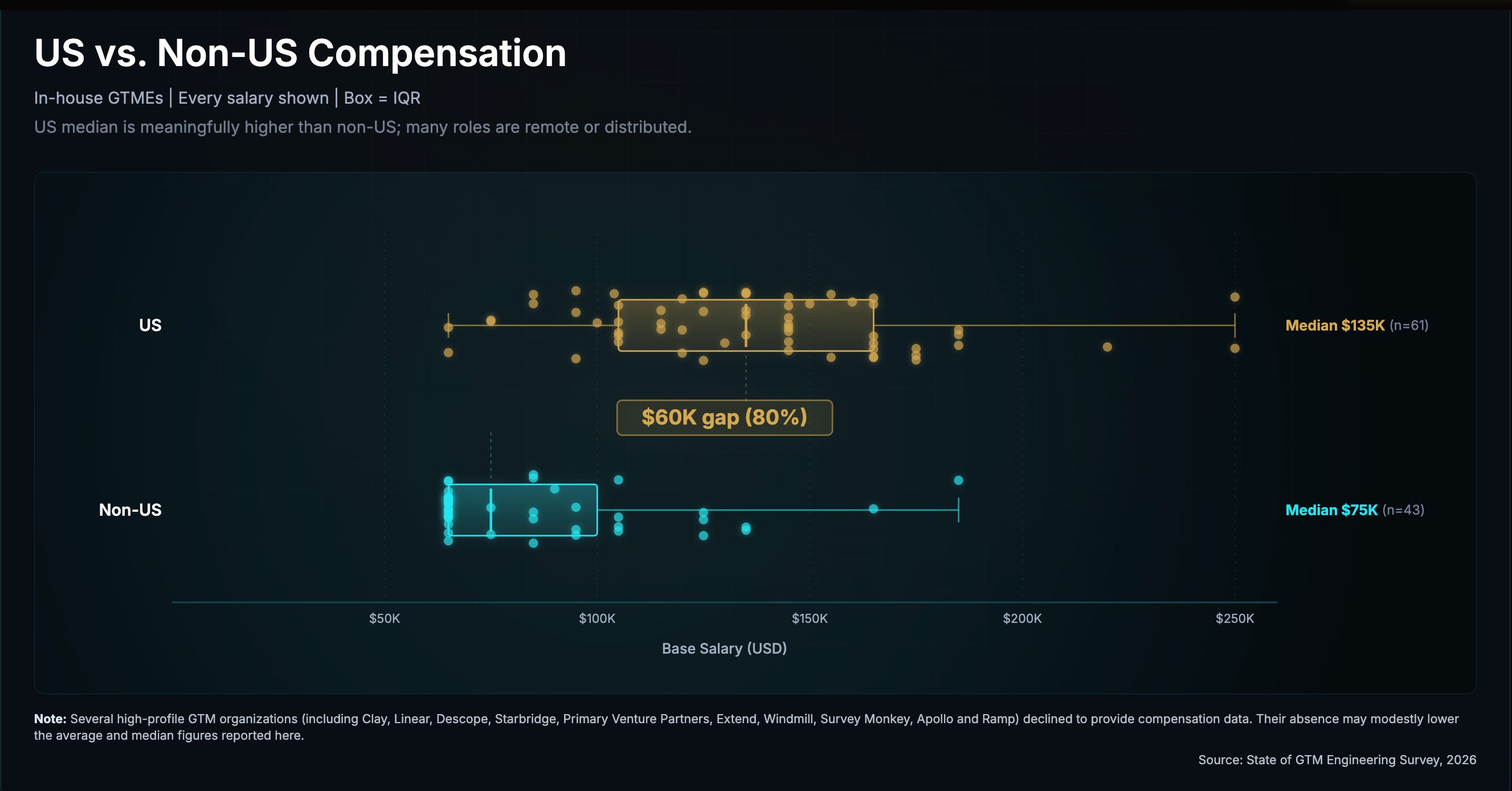
If you haven’t seen last year’s State of GTME Report, full-time comp for these roles runs from $80K to $250K++ depending on who you ask and what job they’re actually doing.
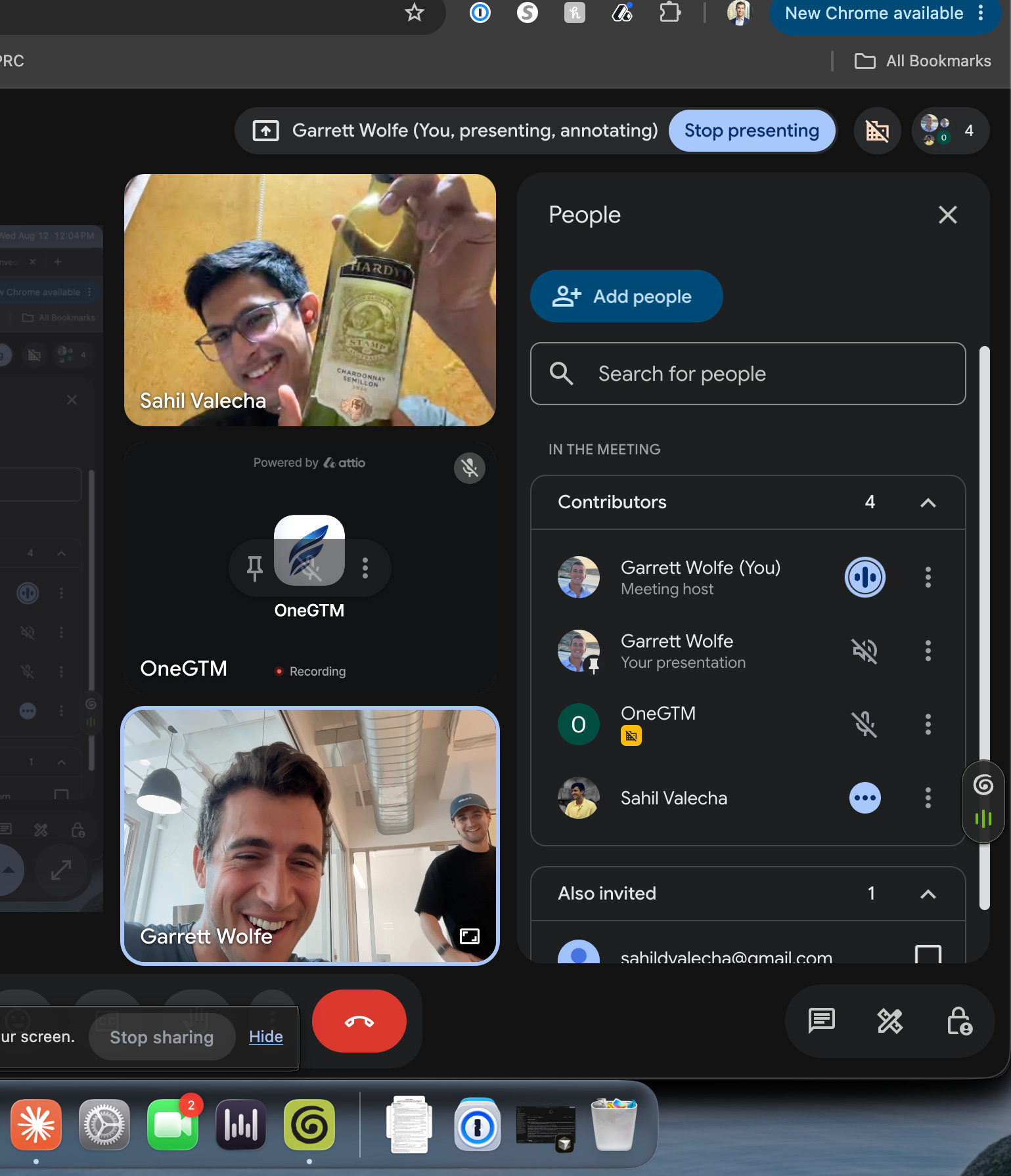
In April I started hiring my first team member at OneGTM. I interviewed 10+ people through May, made two offers, let both within 60 days, and finally found my person - Sahil Valecha, who joined in July. In September, as we’ve brought on more clients, we’ve gone out to hire again. By the time we drop this post, we hopefully have made our first offer (edit: we made two!!) and are kicking off our work trial / onboarding.
There’s a lot of founders trying to make this hire right now and most don’t know what to look for. Here’s everything I’ve learned from doing the job myself and also not interviewing for it.
Do you even need a GTME?
Before you kick off your search for a GTME - take a second to consider what your business needs.
Does it need a human-led seller that can find leads and work them? That might be a BDR.
Is the product ready and demo-able and can stand up under customer pressure. You don’t want to put the product in the hands of folks who it may disappoint if it’s still too early.
If the product is ready, you know the pitch, and now its time to scale - hiring a GTME is the right move.
What’s a GTME, and who becomes one?
The role is genuinely ill-defined. A GTME builds and runs the systems that drive pipeline - finds the right targets, enriches them, reaches out, routes conversations back to sales. Significant AI and automation at each step. The confusion is that you can hire into this from an SDR background, RevOps, data engineering, or BizOps and get four completely different people.
Here’s how each tends to play out:
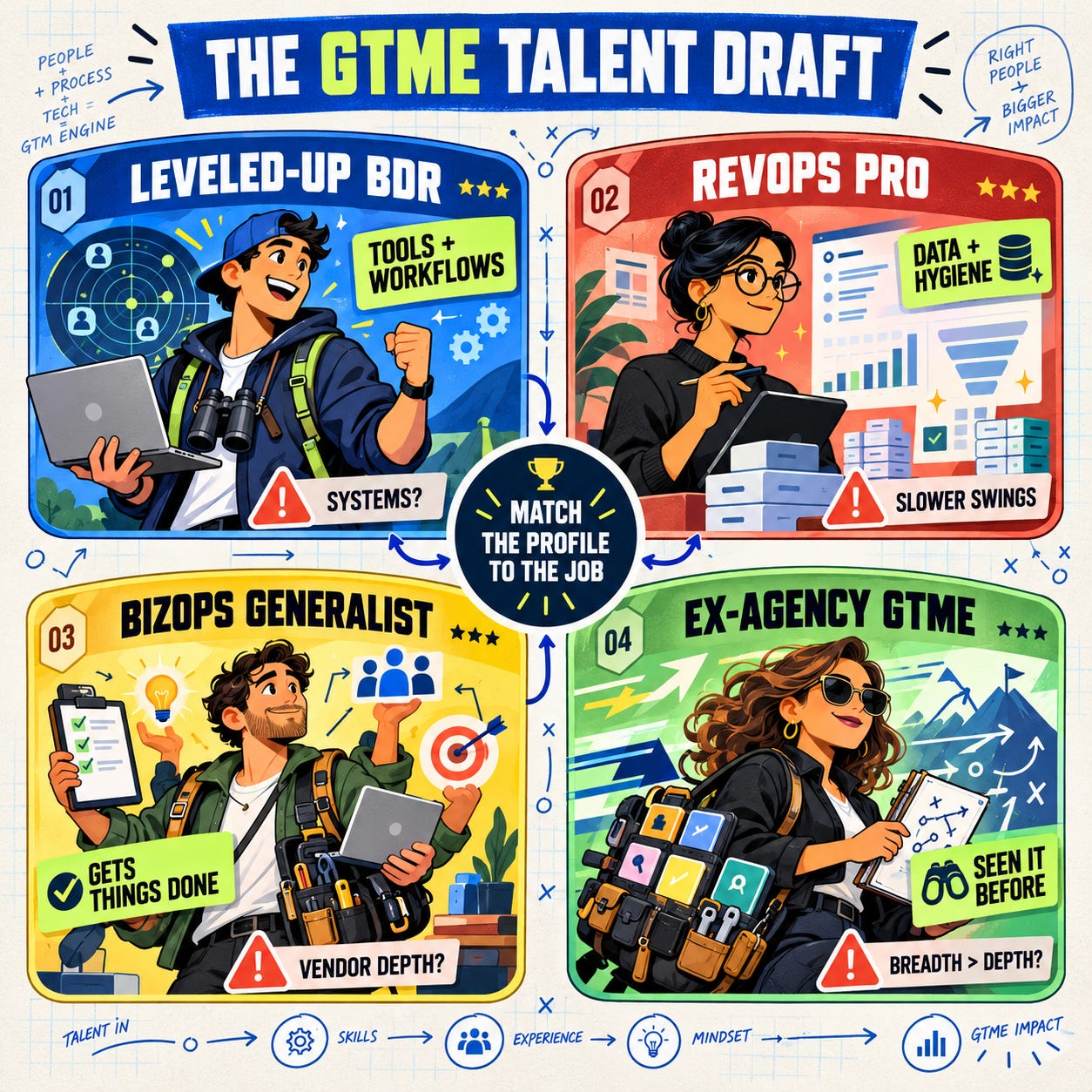
Leveled up BDR
Knows the tools, the workflows, and what to build and why. The risk: can they think in systems and build things that hold up in production?
RevOps Guy (or gal)
Knows what clean data looks like. Good CRM hygiene, data flow, structure. The risk: slower experimentation cadence, risk-averse, may not take big swings.
BizOps Person
Jack of all trades, works across teams, knows how to get things done. Risk: may not know the data vendor landscape or what to actually prioritize. Also not used to being paid on performance and thus what that’s like.
Ex-Agency GTME
Has done it before. Knows the tools, the vendors, seen every scenario. The risk: may have gone a mile wide but only an inch deep. May default to cheapest tools instead of best ones.
How to structure the interview process
Schedule a 20-30 min screening call and focus on learning about them, their experiences, and why they’re interested in the role.
During the second half of the call, focus on getting information on where they specialize:
Outbound focused GTME
List building
Enrichment & data vendors
Infrastructure and system orchestration
Copywriting
Deliverability
Dashboarding / reporting
Marketing focused GTME
SEO
AEO / GEO
Inbound
Landing pages, free tools, etc.
Growth hacking / ideas
Revops / Sales Enablement
Rep assistance
CRM cleaning
SDR tools
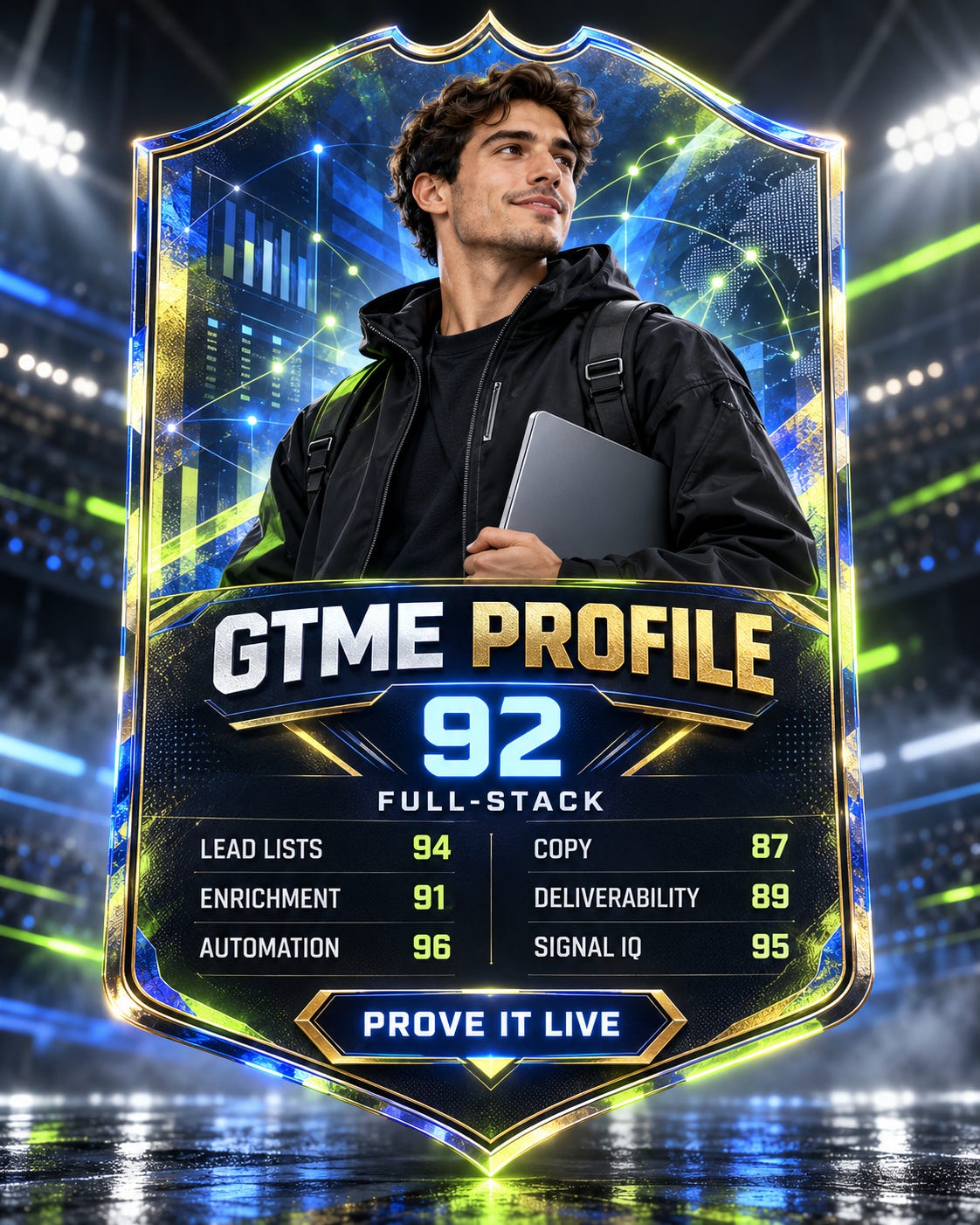
Think of this like your FIFA pro card - you want to try to prioritize the right “profile” of person with the skills that best match what you need. Ask what they specialize in, what tools they use, and ask them a few examples that prove they know what they’re talking about.
Unfortunately, it can sometime be difficult to discern if someone knows what they’re talking about, or simply knows what to say. This is super common right now as the skill gap is hard to identify. Ask a fellow GTME some deep questions that only someone that has earned expertise would know how to answer - and if they’re cracked, itll be clear as day :)
After first calls, pick your top candidates and shoot em a case study / live assessment where you can watch them think and course-correct in real time. Follow that with a paid work trial before any full offer. Fully paid, the real deal. Extend it to one person at a time only. If you’re hedging between candidates, it’s not the right fit.
Questions to ask
Standard interview questions don’t work anymore. Ask someone to build an email waterfall and they’ll have Claude do it in 30 seconds. What you’re actually evaluating is the value-add on top of what AI can do alone - so ask edge case questions, not process questions. “What’s a weird edge case you’ve hit with waterfalls in Clay?” only gets answered by someone who’s spent real time in the tool.
Here is my typical interview cadence:
Tell us about yourself; and why do you want to leave your current role?
2-3 other questions to gauge culture, career progression, etc.
What do you specialize in now, and where are you weaker?
Are you proficient in Claude Code, Clay, etc.? What have you actually built in each?
What data vendors have you used -and why?
Where does Clay fall apart?
Walk me through a workflow from company name to validated work email for a VP of Sales - every step, every tool, every edge case
What we’re testing for: Can they think through the full chain? Handle ambiguous data? Know what to do when a step fails? Does the candidate have a POV on how to architect the system?
What errors have you run into in Claude Code?
What we’re testing for: Looking for edge cases that only people who’ve gone deep enough actually know
You have 1,000 companies in a client’s CRM and budget to work 50 of them this month. How do you pick the 50?
What great looks like (in my view)

They didn’t miss the AI wave - they’re building with it, not just using it as a chatbot. They can point to something they built from scratch: a Claude Code scraper, a custom API integration, a signal workflow they designed. Not a workflow they followed from a course.
They understand the “why” behind the tools. Anyone can run a Clay waterfall. Real GTMEs know what happens when a contact vendor doesn’t sit inside Clay’s native waterfall structure, or what to do when an API response in Clay hits the 200KB cell limit. Edge case knowledge is the clearest signal of actual hours in the tools.
They think in signal stacks. When asked how to filter a list down, strong candidates layer: company age, funding recency, headcount growth by department, target contact tenure. Weak candidates pick one signal or tell Claude to do it and stop there.
Mid-to-late 20s is the sweet spot right now. Old enough to understand the pre-AI stack -Apollo, ZoomInfo, manual sequencing -and why it existed. Young enough to have leaned hard into what replaced it. Certifications and Clay bootcamps are largely meaningless. It’s a shame, but some of the worst candidates I’ve interviewed had the most credentials.
Red flags

Certified in tools they can’t actually use. Clay course graduates have failed basic execution questions in my interviews.
Only operated inside one agency’s playbook. Can’t adapt when the client situation doesn’t match what they’re used to.
Vague on data providers. Strong candidates name specific tools -Apify, LeadMagic, Blitz, Prospeo, Bounceback, TrueList, Debounce -and know why they’d pick one over another. Weak candidates say “we had a verification tool.”
No curiosity about edge cases. If they’ve never hit a weird API limit or a Clay waterfall quirk, they haven’t done enough real work. Filling data accurately and consistently and not seeing 100 contact → 5 contact dropoffs is the name of the game
Junior candidates who don’t know what the old way was. They’ll miss context that matters in client conversations and solution design.

The work trial methodology
One candidate at a time. If you’re offering it to two people simultaneously, you haven’t picked yet - keep interviewing.
Real tasks, mirrors actual client work.
Cut off a few real but small tasks for real clients and have them tackle it. Something like: “Here’s 200 companies. Build me a prioritized lead list with validated emails and a brief on the top 10 signals.” Evaluate speed, quality, and how they communicate blockers. Do they ask smart questions or go silent?
The cost of a wrong hire is high - months of salary, client risk, time you can’t get back. The work trial is how you avoid it.
Before they even say yes to the work trial: get alignment first
This is the part most hiring managers skip, and where a lot of hires go sideways before day one.
Before the work trial - ideally right before or at the end of the work trial - have a direct conversation about expectations. Align on what they’re signing up for and what you’re committing to.
I made the mistake of not doing this twice, and then when I finally did this with Sahil, it changed how he showed up on day one.
What to cover:
The reality of the role. Client ownership is the goal but has to be earned. Be direct: “We wouldn’t hire anyone who couldn’t eventually get there, but we don’t hand it to you on day one.” They need to hear that and sign off on it.
What the first 30 days actually look like. Not vague “learning the ropes” stuff. Specific: what clients they’ll meet, what tools they need to get up to speed on, what their first deliverable is. If you have an onboarding doc, share it at this stage.
Communication norms. Response time, how to give and receive feedback, when to loop you in vs. handle independently. Sounds basic but it causes more friction than almost anything else when it’s off.
The hire-fast fire-fast reality. Say it clearly: “We want this to work and we have every reason to believe it will. But if the fit isn’t right for any reason, we’re going to move quickly. Not a threat - just how we operate.” The right person will respect this.
Being honest. Upfront is best, where do they need to the most help? It’s crucial to identify the weakspots quick so you can fix them. Try to identify these areas so you know how to plug in and assist.
What they want from the role. Not “I want to grow” - specifically: what do they want to be better at in 6 months? What would make this the best job they’ve had? Use this to shape how you structure their early months.
Send a short written summary before day one. Not a contract - just a note: “Here’s what we talked about. Here’s what I’m committing to you. Here’s what I’m expecting from you.” Having it in writing does more than any number of verbal alignment calls.
Onboarding: the first 90 days
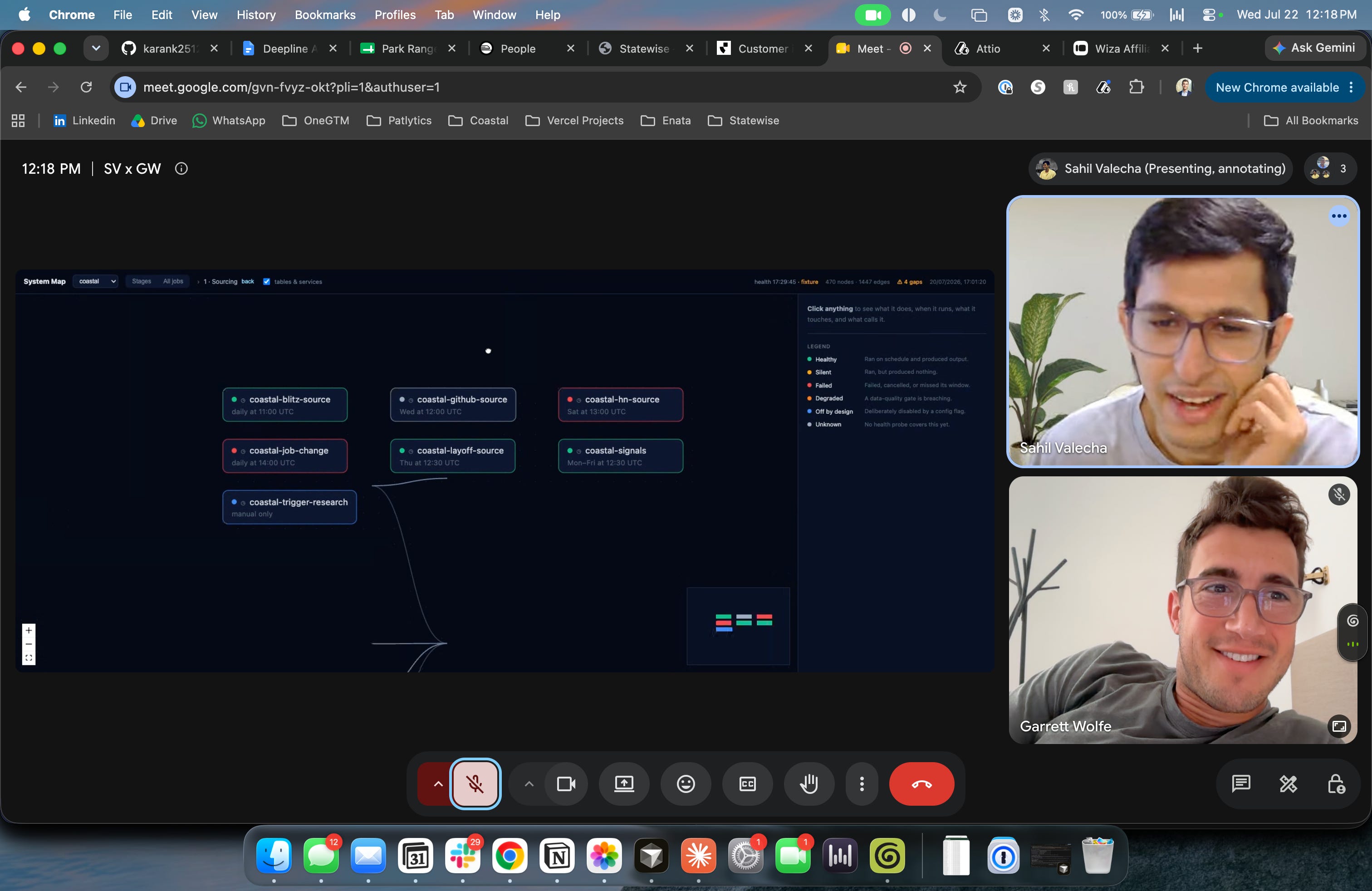
Most content on hiring a GTME stops at the offer. The ramp is where you actually find out if you made the right call.
Write the ramp plan before they start. Share it at offer stage. When people can read what’s expected, they don’t need to ask.
Weeks 1-2: Low-risk immersion. Don’t throw them into a live client on day one. Have them audit existing Clay tables, review live campaigns, read client briefs, sit on every call - mostly watching. About 30-40% of their time on real but low-stakes tasks (launching a known campaign, enriching a list you’ve already scoped), the rest on exploration. Goal: by week two they can describe every active client, every tool in the stack, and how the pieces connect.
Weeks 3-4: First real reps. An end-to-end task on something real but recoverable. Lead list from scratch, a campaign sequence in Instantly, a Clay build they designed. You’re reviewing output but not directing it. Watch how they handle blockers -do they try things first, or come to you immediately?
Month 2: Own a client. One account is fully theirs. You’re CC’d but not driving. By end of month two: brief on Monday, campaign live by Thursday, no involvement from you.
Month 3+: Full ownership. Multiple clients, increasing complexity. Strategic calls independently - which signals to run, how to sequence copy, when to pause vs. push. You advise, you don’t manage.
Red flag at any stage: waiting to be told what to do next.
Tool proficiency milestones
By end of week 2: Clay (tables, enrichment, basic waterfall), Instantly or HeyReach (campaign setup, step sequencing), email infrastructure basics (domains, mailboxes, DNS), data providers.
By end of month 1: Clay AI columns and HTTP integrations, signal identification and ICP scoring logic, copy in your house style, reading campaign performance metrics.
By end of month 2: End-to-end campaign architecture from scratch, lead list with signal stacking, CRM data flow, basic Claude Code for enrichment tasks that outgrow no-code.
By month 3: Client strategy ownership, ICP and signal recommendations, building custom tooling when the off-the-shelf stack doesn’t solve the problem.
Explicit milestones upfront -with yourself and with them -tighten the feedback loop. When both sides know what “ramped” means, the hard conversations get easier.
What to pay them
Comp ranges online run from $108K to $250K. We document this extensively in our State of GTME Report. They’re all technically correct because the title describes four different jobs.
Agency/contractor: $2K-$15K/month depending on scope and seniority.
Full-time, early-stage: $80K-$150K base. Someone 2-3 years into the craft, agency or in-house background, can ramp with support. Equity should supplement meaningfully given the risk you’re asking them to take.
Full-time, senior: $150K-$175K++. Owns a full GTM motion end-to-end, has a POV on strategy, has receipts. You see this at Series B/C when the role is well-defined.
Median sits around $127K. But the gap between a $90K hire who follows a playbook and a $140K hire who builds one is enormous. Don’t optimize for the number -optimize for the profile you actually need right now.
The work trial de-risks the comp question entirely. You see exactly what they produce before committing to a salary.
If you’re interested in helping identify better candidates or need help with your GTM motion, feel free to reach out to me on Linkedin or at our website
Garrett